
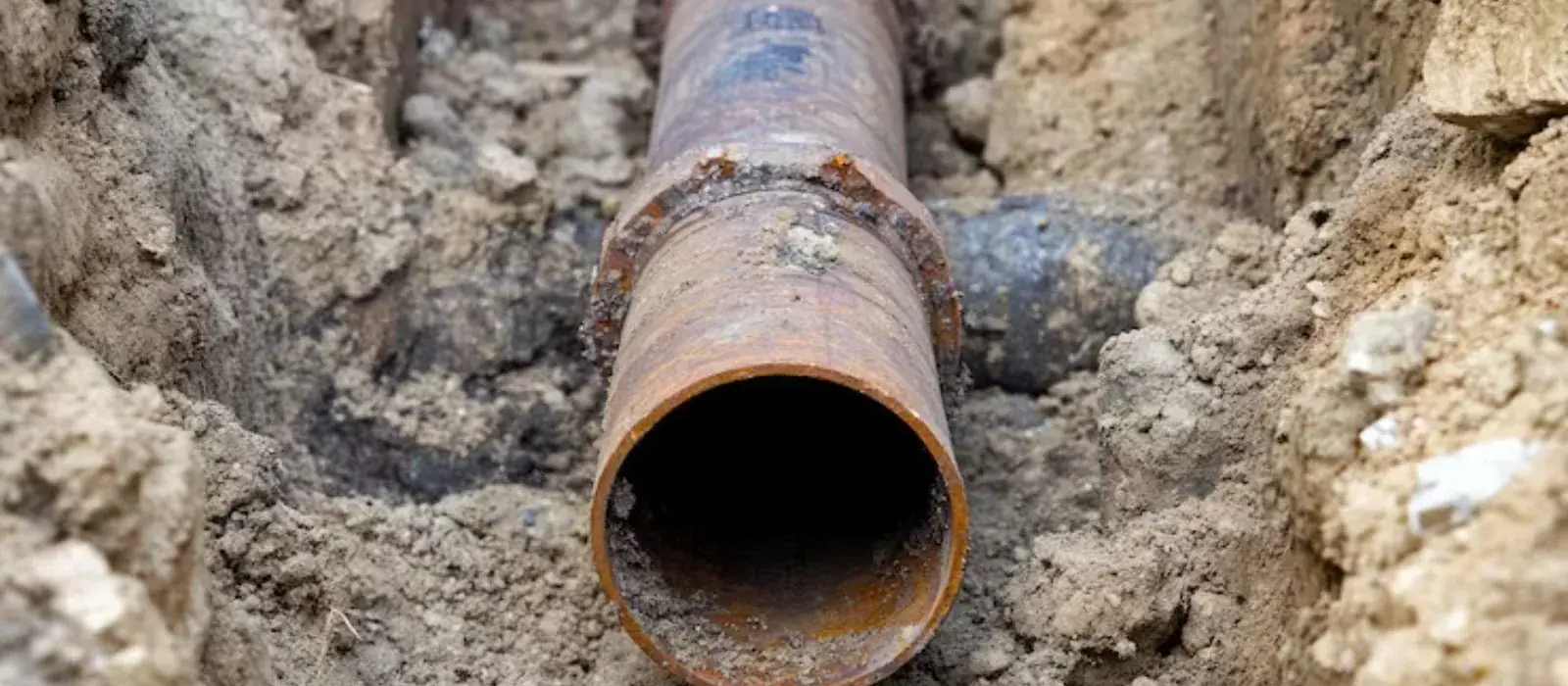
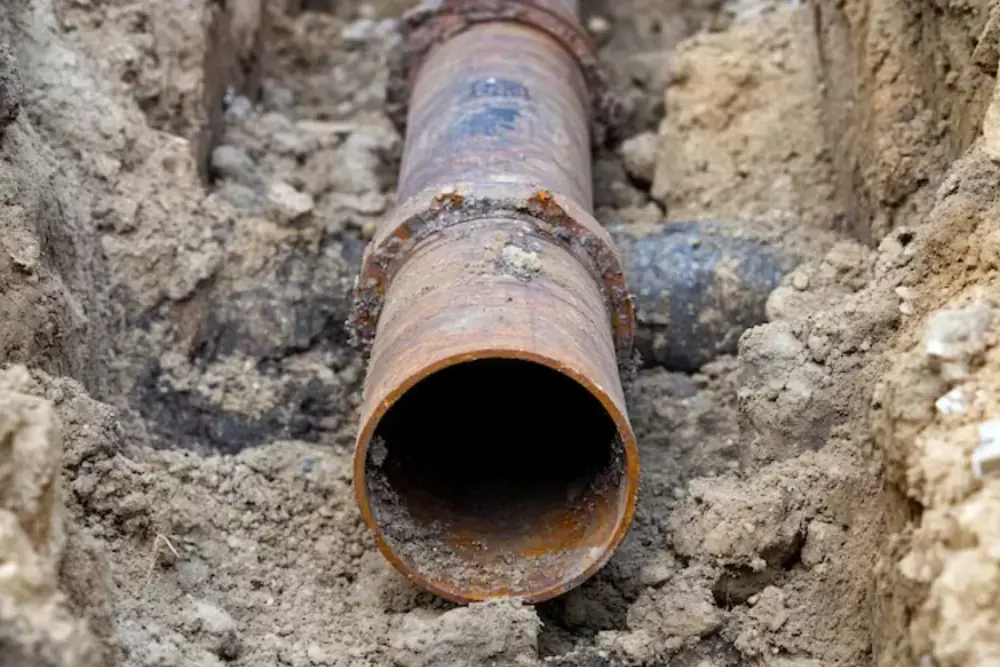
What a repipe replaces
A repipe replaces the supply lines that carry water to your faucets, appliances and water heater. It does not replace drain lines, which carry waste out. The old lines are abandoned or removed, and new ones are routed to every fixture.
Most houses are repiped with PEX or copper. The choice affects cost, speed and how much of the wall needs opening. A plumber will usually propose a route that limits cuts in finished rooms.
Reasons homeowners repipe
Repiping is not a first response. These patterns lead to it.
Repeated leaks
Several pinholes in a few years suggest the whole run is thinning.
Rusty or brown water
Galvanized steel rusts from the inside and flakes into the water.
Low pressure
Corrosion and scale narrow the pipe and cut flow to every fixture.
Insurance or sale issues
Some buyers and insurers ask about old supply lines.
How the work goes
Survey and plan
The plumber inspects the house, identifies the material and plans routes.
Shut off and open access
Water is shut off, and small access holes are cut in drywall at key points.
Run new lines
New lines are routed to each fixture, with new shutoff valves, and connected to the water heater and main.
Test and close up
The system is pressure tested, then inspected by the city before walls are closed.
Materials compared
Each material has a role. The plumber helps you choose.
| Material | Why choose it | Trade-off |
|---|---|---|
| PEX | Flexible, fast to run in walls, fewer joints | Not for sun exposure, needs correct fittings |
| Copper | Long record, rigid and heat tolerant | Higher cost, can pit in some water |
| CPVC | Lower material cost | Can become brittle with heat |
| Keep existing | Fine if in good shape | Leaks may continue elsewhere |
Older homes and the permit
The City of Fountain Valley was incorporated on June 13, 1957, and much of its housing was built in the decades that followed. Supply lines installed in that era are now many decades old. Their condition depends on the material and on the water they carried.
A repipe needs a permit and inspection. The Building Division at 10200 Slater Avenue, reachable at 714-593-4429, can explain the process. Counter hours are Monday through Thursday, 7 a.m. to 6 p.m., and closed Fridays.
Source type: City of Fountain Valley Building Division and city history
Living through a repipe
Water is off for part of each work day, so plan for drinking water, dishes and bathroom use. Many repipes take a few days for an average house. The plumber will give a schedule once the layout is known.
Drywall is cut and patched. The patching and painting are separate trades. Ask whether the quote includes patching or only access and rough repair.
Questions to ask before you sign
Ask what material is proposed and why, how many access holes are planned, whether the price includes patching and what the permit and inspection steps are. Ask for the scope in writing.
Also ask about water pressure. A pressure regulator that is too high stresses new pipes. The plumber can test it during the visit.
What changes after the new pipes go in
Water that ran brown or tasted metallic often clears within a short time, and pressure at far fixtures usually improves. New lines are smaller in internal roughness than old galvanized pipe, so flow is better even at the same street pressure.
Expect some air in the lines for a day or two. Faucets may sputter until it clears. Run each tap for a minute and clean the aerators, because loosened debris from the old system can collect in them.
Cost drivers without the guesswork
No honest article can give a price for your house without seeing it. What moves the number is how many fixtures there are, whether the house is one story or two, whether lines run through a slab or a crawlspace and how much drywall must be opened and patched.
Ask each plumber to put scope in writing: material, fixture count, permit, inspection and wall repair. Compare scope before price, because two quotes that look different may cover different work.
Which materials the code approves
Repiping follows the California Plumbing Code, based on the Uniform Plumbing Code (UPC), which lists approved potable water materials such as copper and PEX. The Uniform Plumbing Code (UPC) also calls for a pressure regulator where pressure could exceed 80 psi, so new lines are tested and the regulator is checked.
Alternatives and next steps
A partial repipe fixes a failing run without touching the whole house. Pinhole leaks in one area may be spot repaired while you decide. If a pipe is bursting now, the burst pipe repair page explains the emergency steps.
Our repiping page covers the service, and we answer calls from Fountain Valley and Santa Ana. The service areas page shows how coverage works.
Questions Fountain Valley Homeowners Ask
Many take a few days, depending on house size and access. The plumber gives a schedule after walking the home.
Usually not, though some policies cover resulting water damage. Ask your insurer.
Yes, usually. Call the Building Division at 714-593-4429.
Most people stay, though water is off for part of each day. It depends on your needs.
PEX is widely used, but confirm acceptance with the Building Division for your project.