
When repiping makes sense
A single leak is a repair. A pattern of leaks, rusty water, falling pressure or pinholes in copper points toward replacing the lines. The goal is to stop the cycle of repairs and reduce the risk of a major leak.
The plumber looks at the pipe material, the age and the failures so far before recommending a partial run or the whole house.
Signs your supply lines are wearing out
These patterns are what usually lead to a repipe.
Repeated pinhole leaks
Copper that leaks in several places is thinning throughout.
Rusty or brown water
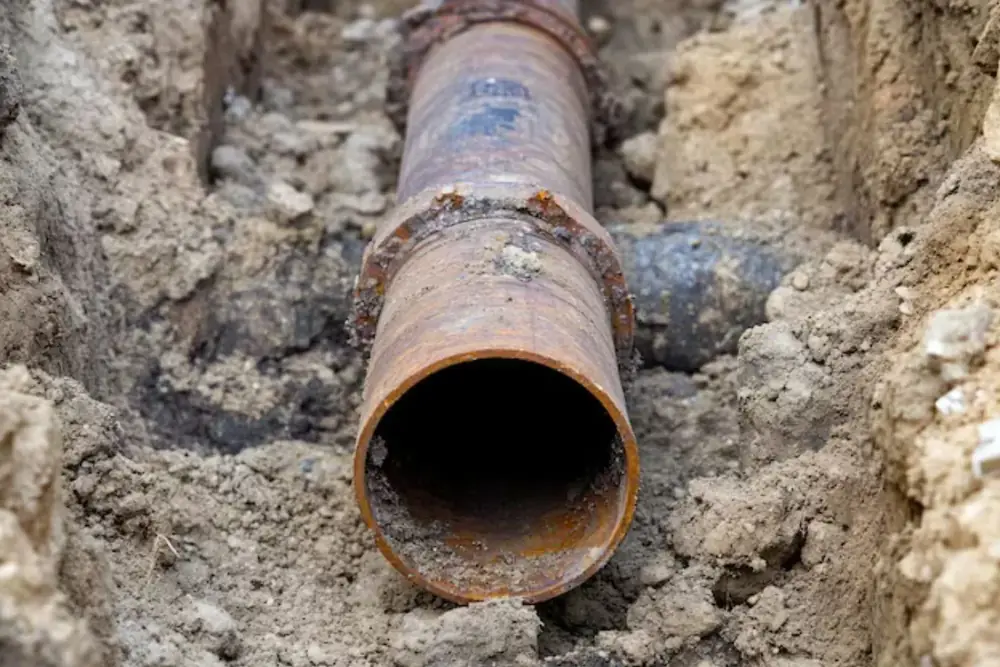
Galvanized steel sheds rust, and older steel lines restrict flow.
Falling pressure
Mineral and rust buildup narrows the pipe.
Water stains on walls
Slow leaks in walls show up as stains before they show as drips.
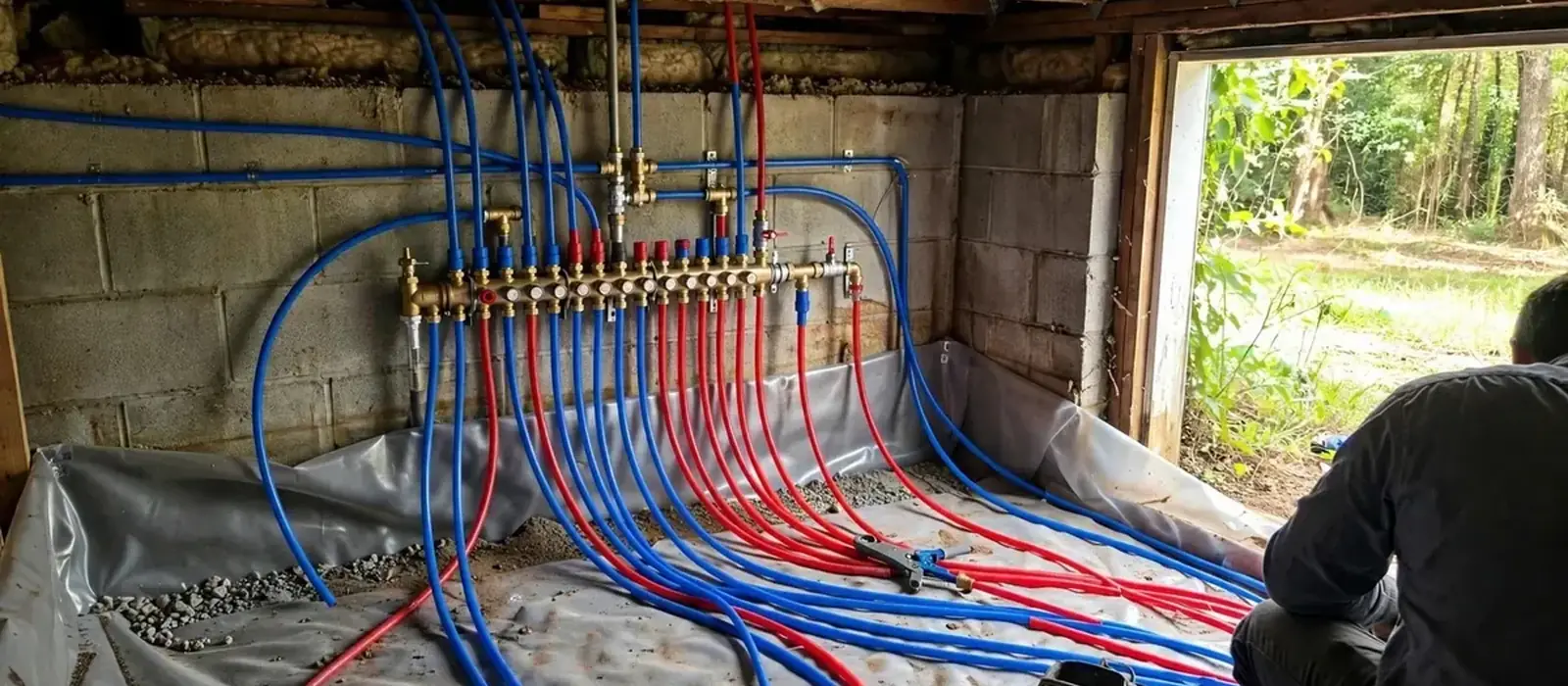
Repipe materials compared
Each has strengths. The plumber helps you choose.
| Material | Strengths | Trade-offs |
|---|---|---|
| PEX | Flexible, fewer fittings, quicker in walls | Not for outdoor sun exposure, code requirements vary |
| Copper | Long track record, rigid, heat tolerant | Cost, can pit in some water conditions |
| CPVC | Lower cost | Can become brittle with heat and age |
| Galvanized (existing) | Common in older homes | Corrodes inside, replace when practical |
Leaks keep coming back?
Call to talk through repair versus repipe.
What the work involves
The plumber plans the new routes, shuts off water, cuts access holes in drywall where needed and installs new lines to every fixture. New shutoff valves are added at fixtures, and the system is pressure tested before walls are closed.
A whole-house repipe usually takes a few days, and water is off for part of that time. Drywall patching and painting are separate trades, so plan for them.
Pipes in older Fountain Valley homes
The city grew quickly after incorporation in 1957, so many homes are now old enough to have lines that were fine for decades and are nearing the end of their life. Water chemistry, pressure and installation quality all affect how copper ages. Galvanized lines in the oldest homes are the more common concern.
A plumber can open an inspection point and look at the inside of a pipe sample if you are unsure what you have.
What repiping costs
Repiping is a major project, and the price depends on the house and the method. You hear a clear price and the scope before work starts.
What moves the final number
Some insurers look at pipe age when writing a policy. A repipe may affect your premium. Ask your agent. Call (714) 750-8637.
Planning around daily life
Ask the plumber about the order of work. Doing the bathrooms last means the family can use the kitchen longer. Doing the kitchen last means the opposite. Plan for water-off periods, and keep drinking water and a few buckets on hand.
If you work from home, tell the plumber. They may be able to schedule loud work around meetings.
Codes and pipe approval
Repiping follows the California Plumbing Code, based on the Uniform Plumbing Code (UPC), and the code decides which materials are approved for potable water. A city inspection is normally required before walls are closed, so the permit is part of the plan from day one.
Partial repipes
If the failures are in one run, such as the kitchen supply or the bath, a partial repipe replaces that section. It costs less than a whole house, but other lines of the same age may fail later.
The plumber will tell you what is at risk and what a partial repair leaves behind.
Common Questions
Whole-house repipes often take a few days. The plumber will give you a schedule for your home.
For part of each day, yes. Plan to use alternatives for drinking and sanitation during that time.
PEX is approved for potable water under plumbing codes. The plumber can explain what the City of Fountain Valley accepts.
Yes, usually. Ask the Building Division at 714-593-4429.
We plan access cuts to be as small as possible. Drywall repair and paint are separate trades.
Yes. A partial repipe addresses one run. The plumber explains what remains.