
Main line backup: what to do first
When the main line is blocked, water has nowhere to go and exits through the lowest opening, usually a shower, tub or floor drain on the ground level. That water is sewage, so keep people and pets out of the area.
Stop all water use, including the washer and the dishwasher. Do not flush. Take photos before cleanup for your insurance company. Call (714) 750-8637 and the 24/7 line will get a plumber on the way as soon as one is free.
What blocks a main sewer line
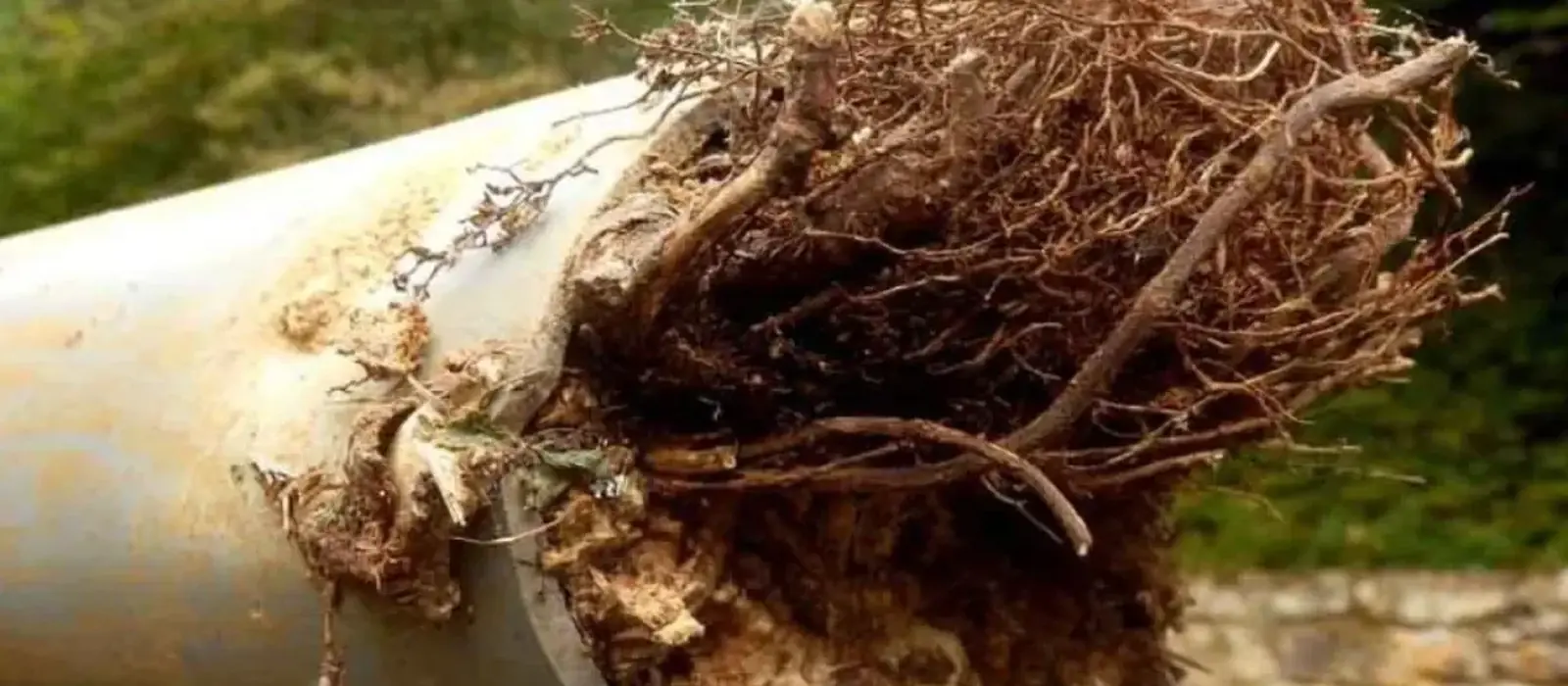
Four things account for most main line blockages. Roots grow into joints and thicken. Grease cools and builds a coating that catches paper. Wipes and paper products knot together at rough spots. A bellied or offset pipe holds standing water that collects solids.
The cleanout, a capped pipe near the foundation or in a side yard, is where the plumber enters. Knowing where yours is saves time on the call. If you cannot find one, tell the dispatcher and the plumber will look.
How a main line is cleaned
Locate the cleanout
The plumber finds the outdoor cleanout, or an alternative access point if there is none.
Run the cable
A heavy-duty cable with a cutting head breaks through the blockage and cuts roots back to the pipe wall.
Flush and test
Water is run to confirm the line flows freely, and the cable is withdrawn.
Look inside
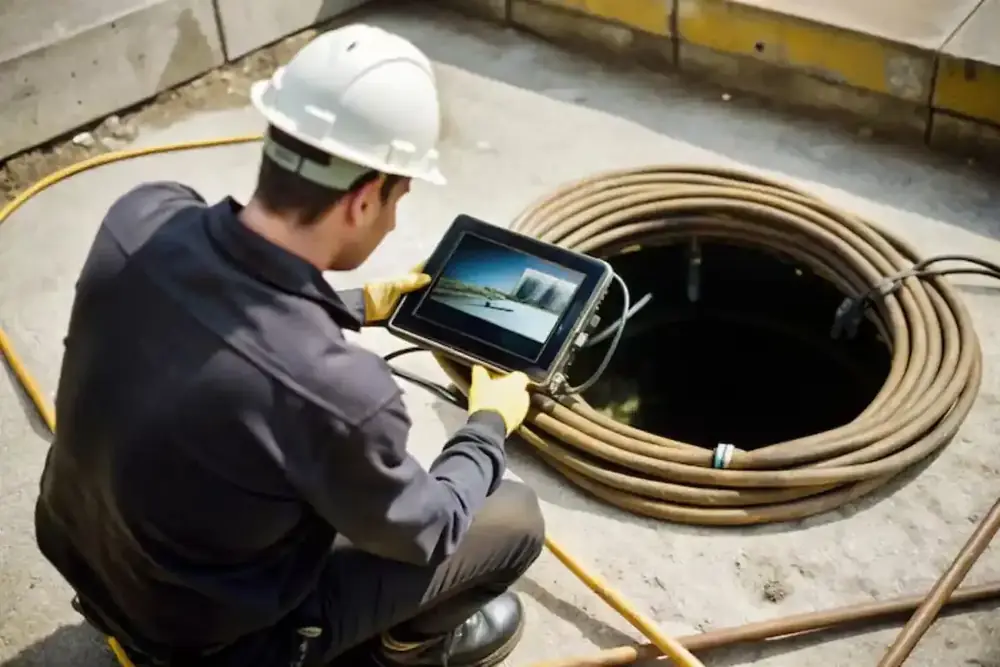
A camera pass, when recommended, shows the pipe condition and any damage that caused the clog.
Cleaning, jetting or repair?
The method follows the cause. This table is the usual progression.
| Cause found | First approach | If it returns |
|---|---|---|
| Paper and soft buildup | Cable and flush | Camera to look for a belly or offset |
| Grease coating | Cable, then hydro jetting | Maintenance schedule |
| Roots at joints | Cable with root cutter | Lining or repair, see sewer line repair |
| Collapsed section | Cleaning cannot fix it | Spot repair or replacement |
Sewer backing up now?
Call the 24/7 line and describe which drains are affected.
Why the lowest drain backs up first
Sewage seeks the lowest exit. In a single-story slab house that is often a shower or tub, and in a home with a basement or garage drain it can be that drain. If you see water there while upstairs fixtures still work, the main line downstream of all the branches is the likely location.
That fact helps the dispatcher. When you call, say which fixture shows the water and whether any others are slow.
Roots, trees and the lateral
Roots look for moisture and find it in sewer joints. A mature tree can send roots a long way. Cutting roots clears the line, but until the entry point is sealed, regrowth is likely within one to a few years.
If you have a large tree near the line, ask the plumber to note its location on the camera footage. That record helps if a repair is planned later.
What sewer line cleaning costs
Pricing depends on access, line length and the cause. You hear a clear price before work begins.
What moves the final number
Cleaning does not repair damage. If the camera finds a defect, repair is quoted separately. Call (714) 750-8637 for your number.
Cleanouts and the code
The California Plumbing Code, based on the Uniform Plumbing Code (UPC), calls for cleanout access on building sewers, which is what lets a plumber clean the line without opening floors. If your house lacks one, adding a cleanout is a small job that makes every future cleaning cheaper.
Preventing the next backup
Only toilet paper belongs in the toilet. Grease should go in a can, not a sink. A yearly cleaning is a reasonable plan for homes with mature trees near the lateral and a history of backups.
If your property is rented, tell the landlord or manager early. Responsibility for maintenance varies by lease.
Common Questions
Yes. The line is open 24/7. Call (714) 750-8637, say which drains are affected and stop water use until the plumber arrives.
It is a capped pipe, usually 3 to 4 inches wide, near the foundation, in a side yard or near the property line. If you cannot find it, the plumber will look.
It depends on the cause. Many homes never need routine cleaning. Homes with roots or heavy grease history may schedule it yearly.
A cable can snag fragile or damaged pipe. That is why a camera look is recommended when the line is old or the clogs keep returning.
Only if your policy has a sewer backup endorsement. Ask your insurer before filing a claim.
Generally the property owner is responsible for the lateral and the city or sanitation district for the public main. If many neighbors are affected, contact the city.