

Why slab leaks happen
In homes built on a concrete slab, supply lines can run through the slab or just under it. Copper can wear from the outside if it rubs against concrete or gravel, and from the inside if the water chemistry is aggressive. Pressure and temperature swings add stress.
A small pinhole is enough to release a steady flow. Water follows the path of least resistance, and it may travel far from the source before it appears.
Signs that suggest a slab leak
One sign is a hint. Several together are a strong signal.
Warm spots on the floor
A hot water leak heats the slab above it.
Running water sound
A faint hiss when fixtures are off.
A moving meter
The meter indicator moves with the main open and everything off.
Damp flooring or baseboard
Moisture rising from below can lift tile, stain carpet or swell baseboards.
How to check before you call
Do the meter test
With all water off, check if the meter indicator moves.
Listen
In a quiet house, put an ear near the floor and walls and note where the sound is loudest.
Feel the floor
Walk barefoot and note warm patches, especially when hot water has not been used.
Check the water heater
If the heater runs often with no hot water use, a hot line may be leaking.
How plumbers confirm and locate it
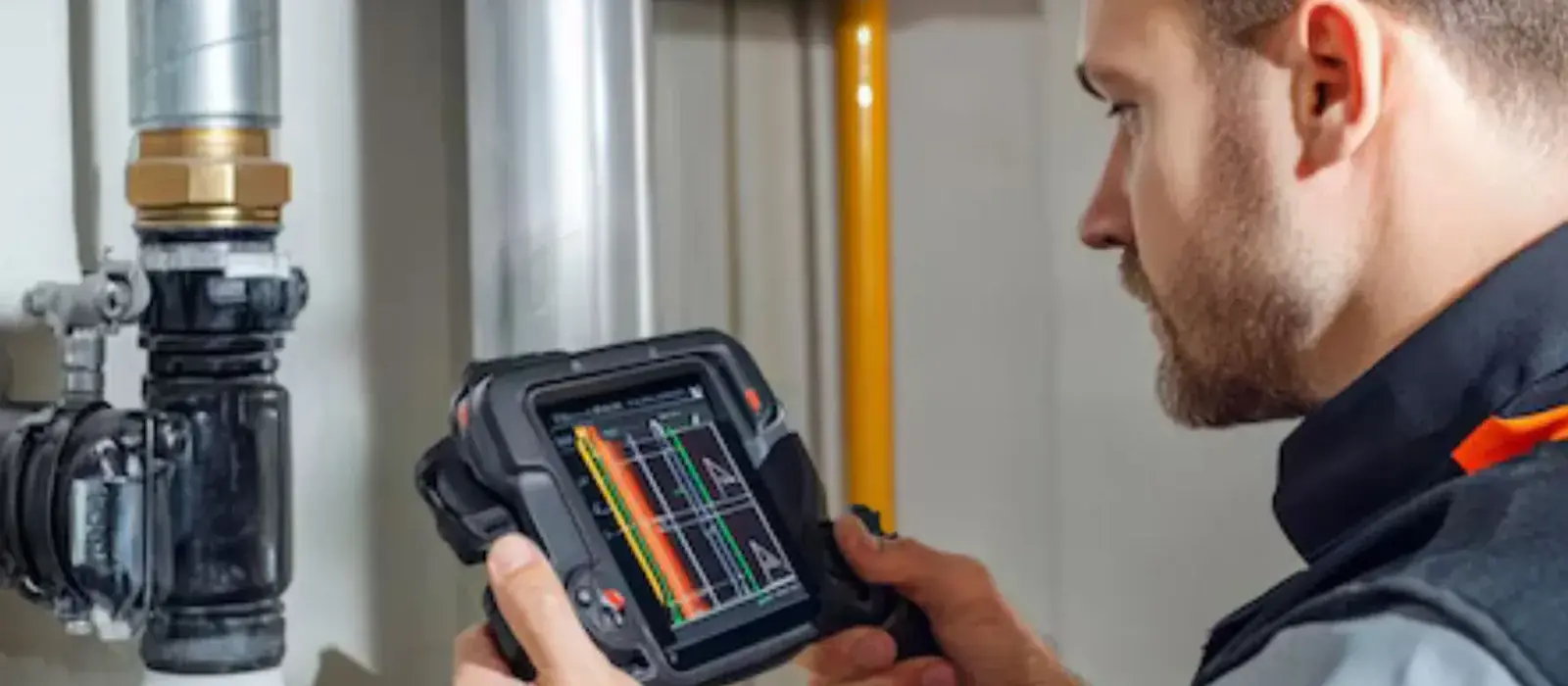
A plumber isolates hot and cold lines with a pressure test. Electronic listening devices pick up the sound of escaping water through concrete. Thermal imaging shows warm areas. Line locators trace pipe routes so any opening goes in the right place.
The result is a mark on the floor and a plan. Our slab leak repair page explains repair options, from a spot repair to rerouting the line overhead.
The city's mid-century growth and what it means
The City of Fountain Valley was incorporated on June 13, 1957, and much of its housing was built in the decades that followed. Homes from those decades were built on a mix of foundation types. Whether yours has supply lines under a slab depends on how it was plumbed.
A plumber can tell during a visit. If a repair involves reroutes or repiping, the City of Fountain Valley Building Division at 714-593-4429 can tell you which permits apply.
Source type: City of Fountain Valley city history and Building Division
What each sign can also mean
Do not assume a slab leak from one clue.
| Sign | Possible slab leak | Other causes |
|---|---|---|
| Warm floor | Hot line leaking below | Sun exposure, radiant heating |
| Meter movement | Leak anywhere on the system | Running toilet, irrigation |
| Damp carpet | Water rising from below | Plumbing leak above, rain intrusion |
| High bill | Slow leak | Higher use or longer billing period |
If water is visible
Close the main shutoff, keep people off wet floors near outlets and call. Take photos for your insurer.
What to do while you wait for a plumber
If you suspect a slab leak but water is not on the floor, you can often wait for a daytime appointment. Close the main at night if you are worried, and watch the meter before and after. If the meter moves, note how fast.
If water is visible, close the main immediately. Move rugs and furniture off wet flooring, run a fan and photograph everything. Hot water leaks can raise humidity quickly, so ventilate the room.
Why early detection matters
A slab leak left alone can wash soil from under the foundation, lift flooring and feed mold in walls. The longer it runs, the larger the repair becomes, and the more of the house is affected.
Finding it early often means a smaller opening and a simpler fix. A reroute can bypass the damaged section without touching the concrete. Our slab leak repair page describes what each option involves.
Questions to ask when you call
Ask what tools the plumber uses to locate the leak, whether the quote includes the search or only the repair and how the opening will be sized. Ask whether the plumber will mark the floor so you can see where it is.
Also ask about hot and cold line isolation. Knowing which line leaks changes the repair plan, and it often changes the price.
Codes and permits for the repair
Slab leak repairs follow the California Plumbing Code, based on the Uniform Plumbing Code (UPC). Spot repairs may not need a permit, while reroutes and repipes usually do. The Building Division can confirm what applies to your house.
Getting help in Fountain Valley and Santa Ana
Start with leak detection if you are not sure of the cause. Our 24/7 line serves Fountain Valley and the neighboring city of Santa Ana.
The service areas page explains how coverage works.
Questions Fountain Valley Homeowners Ask
Warm floor spots, running water sounds, a moving meter and a rising bill are typical signs.
Sometimes, through rerouting or lining. The plumber explains which fits.
No. Many do, but layouts vary. A plumber can check yours.
It can be if water reaches the floor or the meter spins quickly. Close the main and call.
Sometimes resulting damage is covered. Ask your insurer.