
Two pumps, two jobs
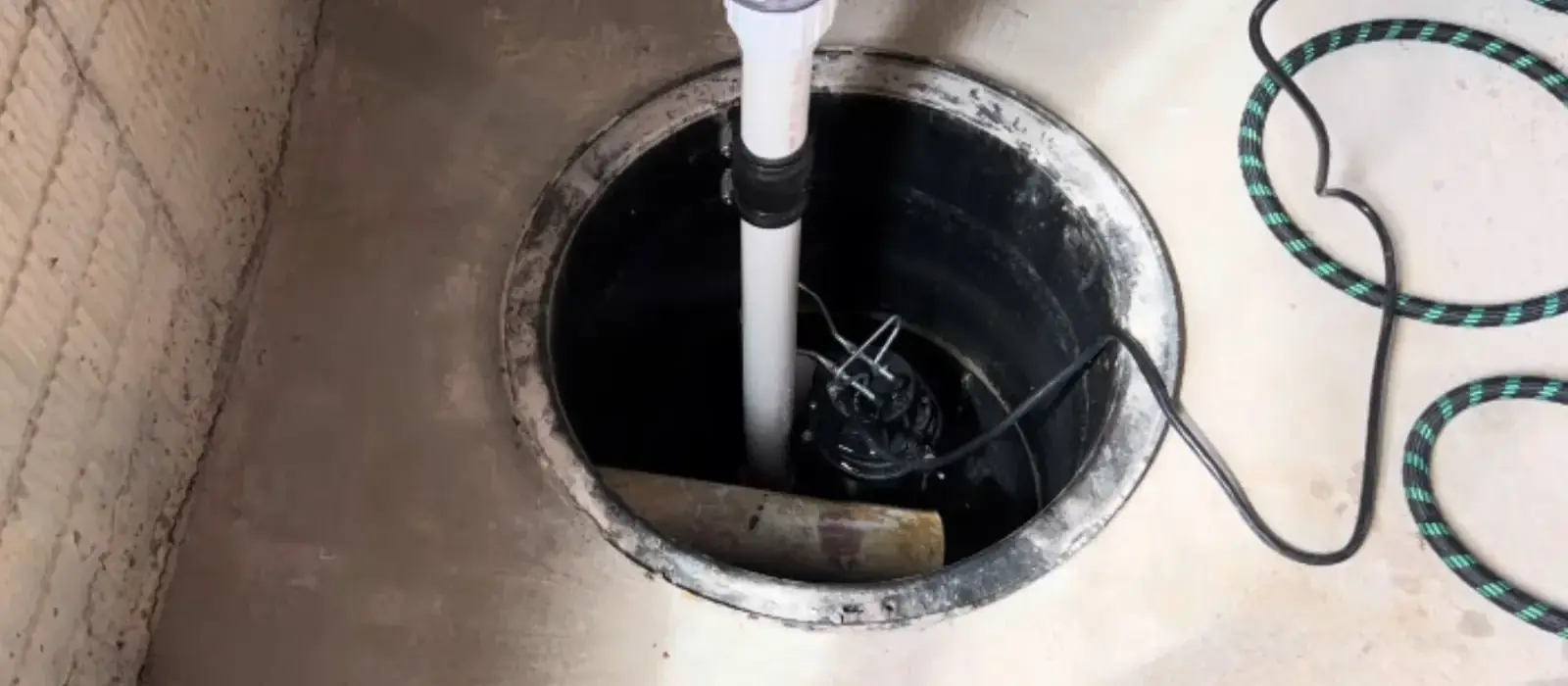
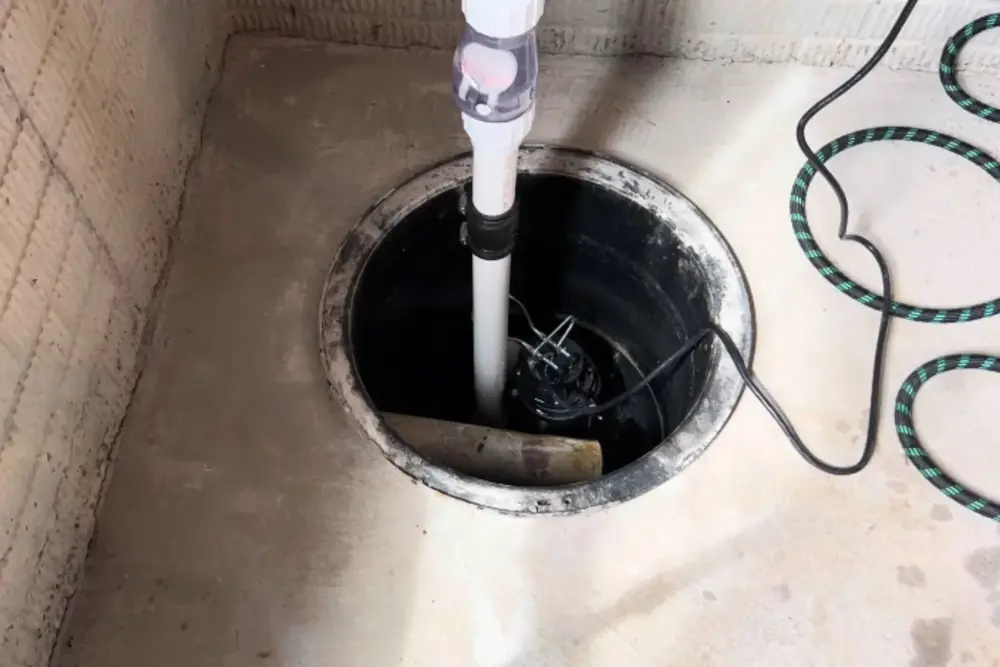
A sump pump removes ground or surface water that collects in a pit. It sends the water out through a discharge pipe, usually to the outdoors. An ejector pump is different. It handles waste from a fixture that sits below the sewer line, such as a bathroom in a lower level, and lifts it up to the drain.
People mix the two up, but they are not interchangeable. Sending sewage through a sump pump or water through an ejector system causes problems.
Sump pump or ejector pump?
The source of the water decides.
| Question | Sump pump | Ejector pump |
|---|---|---|
| What it moves | Groundwater or surface water | Wastewater from fixtures |
| Where it sits | A pit in a low area | A sealed basin |
| Discharge | Outdoors or a permitted drain | To the sewer line |
| Common reason | Water collects in a low spot | A fixture below the drain line |
Where pumps show up in this region
Many homes in this part of Orange County are built on slabs without basements, so full sump systems are uncommon. Pumps still appear in below-grade stairwells, low garage drains, sunken patios and some hillside lots. Ejector pumps appear in addition bathrooms below the drain level.
If you see water collecting in one spot after rain or irrigation, first check the grading and downspouts. A pump is a last step, not a first step.
What to confirm with the city
Discharge rules are local. Water from a sump pump may not be allowed to go into the sanitary sewer, and the rules for where it can go vary. The City of Fountain Valley Building Division, at 10200 Slater Avenue, can tell you what applies. Its phone number is 714-593-4429.
A new pump with electrical work may also need a permit. The Permit Center portal accepts applications electronically. Counter hours are Monday through Thursday, 7 a.m. to 6 p.m., and closed Fridays.
Source type: City of Fountain Valley Building Division
How an install goes
Plan the location
Choose the low point and the discharge route, and confirm the rules.
Dig and set the pit
A basin is set in the slab or ground, with the pump on a firm base.
Install the pump and check valve
The pump connects to a discharge pipe with a check valve to stop backflow.
Test
Pour water into the pit and watch the pump start, discharge and shut off.
Maintenance
Test a pump every few months. Pour water in until the float rises. Clean debris from the pit. Replace the pump every several years, or when it runs poorly. A battery backup helps during power outages if the pump is important.
Do not put grease or debris into a pit. Clogs and stuck floats cause most failures.
Before you dig
Call before you cut a slab. A plumber can check for lines below and confirm where the water goes. A bad location is expensive to fix.
Alternatives to a pump
Before you add a pump, look at the cause. Downspouts that discharge near the foundation, soil sloped toward the house and clogged yard drains all send water where you do not want it. Fixing grading or extending a downspout costs far less than a pump.
If water collects in a stairwell or a low patio, a drain with a gravity outlet may work if there is a lower place to send it. A pump is for the case where gravity has nowhere to go.
Power and backup
A pump needs a dedicated grounded outlet, ideally on a ground-fault protected circuit. If a power outage during a storm would leave the pit flooded, consider a battery backup. These systems add cost but keep the pump running for hours.
Test the backup the same way you test the pump. A battery that has not been checked in years may fail when needed.
Choosing a pump
Submersible pumps sit in the pit and are quiet. Pedestal pumps have the motor above the pit, are easier to service and are louder. Look at the flow rating, the lift height and the type of float switch. A float that can jam against the pit wall is a common failure.
Ask the plumber which model suits your pit size and discharge route. A larger pump is not always better.
Electrical and drainage rules for pumps
Pump wiring follows the California Electrical Code, based on the National Electrical Code (NEC), and discharge piping follows the California Plumbing Code, based on the Uniform Plumbing Code (UPC). Ground-fault protection on the outlet is a common requirement near water, so a plumber and an electrician may both be needed.
Getting help
Our plumbing installation page describes how we plan new fixtures and pumps, and our drain cleaning page covers clogs in the discharge line. We serve Fountain Valley and the neighboring city of Santa Ana.
The service areas page explains how coverage works.
Questions Fountain Valley Homeowners Ask
Most slab homes do not. It depends on whether water collects at your property.
Often not. Ask the City of Fountain Valley Building Division at 714-593-4429.
A pump that lifts wastewater from a low fixture up to the sewer line.
Many last several years, depending on use. Test it regularly.
Often yes, especially with electrical work. Confirm with the Building Division.